
Most homeowners start shopping for replacement windows by comparing brands or looking at photos online. While that can be helpful, it often skips the questions that matter most.
The better approach is to evaluate your home first. Understanding how your current windows perform, what frustrates you about them, and what you want to improve will make every decision that follows much easier. Instead of guessing which replacement windows are “best,” you’ll be choosing the ones that solve the right problems.
Identify What’s Driving the Replacement
Before discussing frame materials or window styles, ask yourself one simple question: Why are you replacing your windows?
Your answer should guide every other decision.
If your home feels uncomfortable throughout the summer, your priority may be improving energy performance. If windows are difficult to open, ease of operation becomes more important. If outside noise has become more noticeable over the years, certain glass packages may deserve more attention than decorative upgrades.
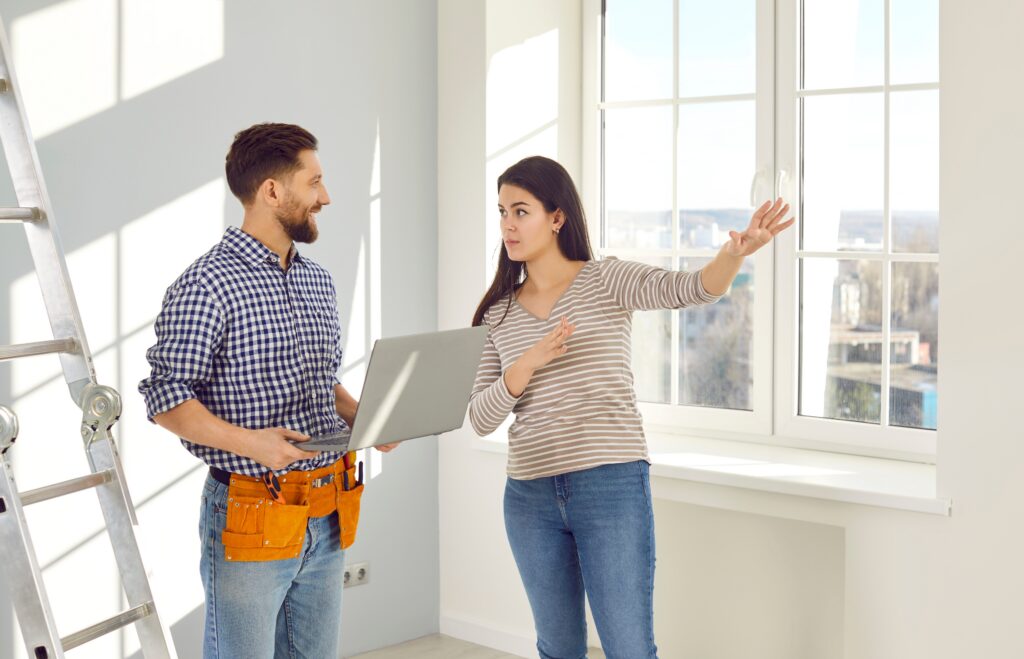
Many homeowners discover they have more than one reason for replacing their windows. Writing those priorities down before meeting with a contractor makes it easier to compare recommendations and avoid paying for features you don’t actually need.
Look at Each Room Separately
One of the biggest mistakes homeowners make is assuming every replacement window should be identical.
In reality, every room asks something different from its windows.
A kitchen window may need to provide ventilation while you’re cooking. A living room often benefits from larger glass areas that bring in more natural light. Bedrooms may benefit from windows that are easy to operate while also helping reduce outside noise. Bathrooms typically require privacy without making the space feel dark.
Thinking room by room helps you choose replacement windows based on how you actually use your home instead of making one decision for every space.
Don’t Choose a Window Style Based on Appearance Alone
It’s easy to fall in love with a particular window style, but appearance is only one part of the decision.
Every style is designed to do something well.
- Picture windows maximize natural light and views but don’t open.
- Casement windows catch passing breezes because they open outward.
- Double-hung windows offer flexible ventilation by opening from the top, bottom, or both.
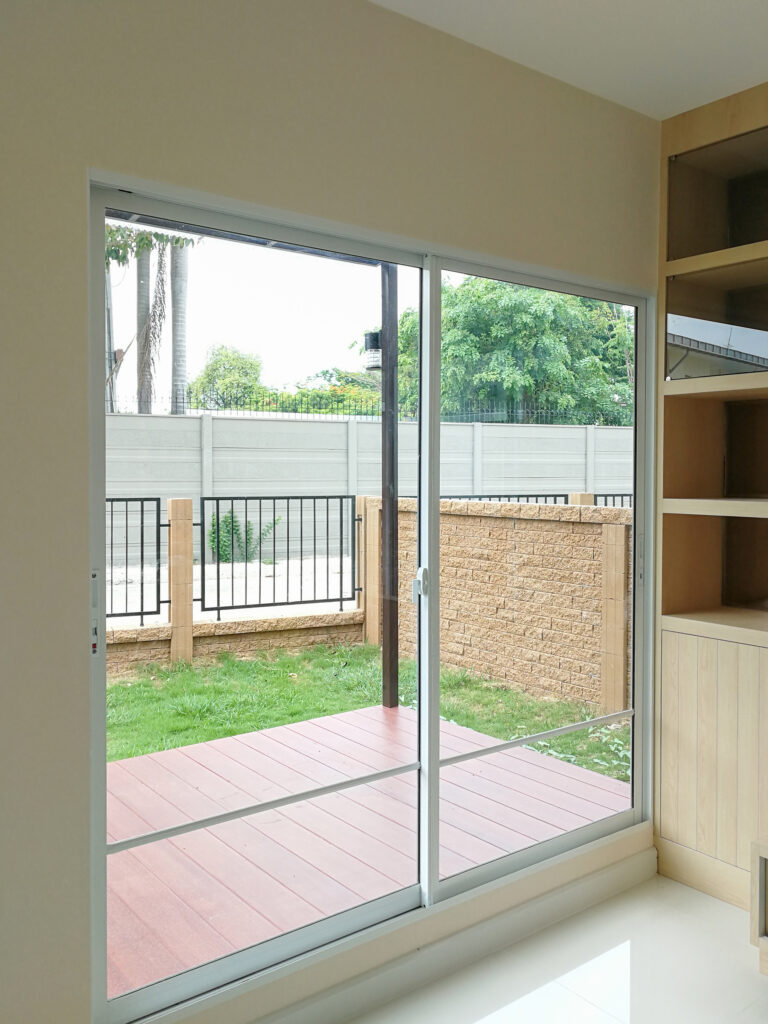
- Sliding windows work well in areas where there’s limited room for a window to swing outward.
- Awning windows can often remain open during light rain while still providing ventilation.
Instead of asking which style looks best, ask which one will make the room work better. Once you’ve narrowed your priorities, exploring different window styles becomes much more straightforward.
Pay Attention to the Features You’ll Notice Every Day
Product brochures often highlight technical specifications, but homeowners usually remember something much simpler after installation:
Does the window open smoothly?
Does it stay open without slipping?
Is it easy to lock?
Can you clean both sides of the glass without struggling?
These are the details you’ll interact with every week for years. During a consultation, don’t hesitate to operate the sample windows yourself. A window that feels sturdy and functions smoothly in the showroom is much more likely to meet your expectations after installation.
Think About Maintenance Before You Buy
Replacement windows should make homeownership easier, not add another maintenance project.
Some materials require more upkeep than others, and some hardware is designed to stand up better to years of daily use. If you’re replacing every window in your home, small maintenance differences can become significant over time.
It’s worth asking what routine care is recommended, how warranties are handled, and which materials best fit your lifestyle before making your final decision.
The Right Replacement Windows Solve Problems
The best replacement windows aren’t defined by a single brand, price point, or feature list. They’re the ones that solve the issues that led you to replace your windows in the first place.
By identifying your priorities, evaluating each room individually, comparing window styles based on function, and understanding how the windows will be installed, you’ll be able to make a decision with confidence instead of relying on marketing claims alone.
If you’re ready to replace your windows, the Good Light team can help you compare your options, explain the differences between window styles, and recommend solutions that fit your home, your goals, and your budget.